Discover the new country in the Valve for Life initiative, Portugal.
Keep up to date on what has been achieved so far, the challenges and expectations for 2017
Rui Campante Teles, APIC President
The Portuguese population is one of the oldest in Europe. Currently, there are around one million individuals over the age of 75. Around 3.4% of this population present with severe aortic stenosis, with about 75% being symptomatic. It is estimated that in 2015 only about 19% of potential beneficiaries actually received TAVI, and the TAVI/AVR ratio is as low as 1:6 compared to several other European countries which have already reached rates of 1:1.
There were 27 catheterisation laboratories in Portugal in 2016 with 95% of the TAVI activity performed in public hospitals. Most centres with fully operational catheterisation laboratories are part of the public health system and are thus financed by the yearly state budget for healthcare.
After the launch of the Valve for Life initiative in 2015 in Poland and France, it was decided to extend the initiative to Portugal at the beginning of 2017 under the umbrella of the Portuguese Society of Cardiology. The Oversight Committee of the initiative is confident that it can promote the use of this technology in Portugal, increasing the number of TAVI procedures. The efforts of this initiative seem promising and the prospect of duplicating the success of the other participating countries seems realistic.
In Portugal, one of the first objectives of the initiative will be to raise public awareness of the symptoms of valvular heart disease and aortic stenosis while underlining the benefits of currently available treatments. This will allow an increase in the diagnosis of the disease, eventually helping to improve access to treatment. At the same time, it will ensure hospital and cathlab capacity and funding while increasing research and analysis of scientific evidence, including clinical studies for approaches to sedation. A variety of surveys will be undertaken along with a public media campaign. Educational and other meetings and events will be planned. We are also in contact with the Portuguese Medical Association and engaged in meeting with the relevant state health officials.
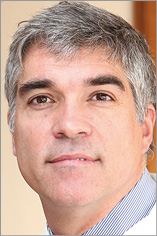
Rui Campante Teles, FESC
President, APIC- Associação Portuguesa de Intervenção Cardiovascular

VFL Champions: Lino Patrício and Rui Campante Teles
Contact details: APIC - Associação Portuguesa de Intervenção Cardiovascular, Campo Grande 28, 13º, 1700-093 Lisboa, Portugal
E-mail: [email protected]
Webpage: www.valveforlife.pt
|
NEWS ■ The spotlight for the ESC Congress 2017 is on “40 years of PCI”! Young clinicians can submit their clinical cases by 1 March 2017 with the late-breaking science submissions open early March. Check it out! ■ Join the EAPCI Young LinkedIn group: boost your network and stay informed on educational opportunities all year long! ■ Learn more on EAPCI and its activities on: www.escardio.org/eapci |