Extended-length introducer sheaths for TAVI

Research Correspondence

Mar 27
Extended-length introducer sheaths for TAVI
Yusuke Kobari, Ole De Backer, et al.
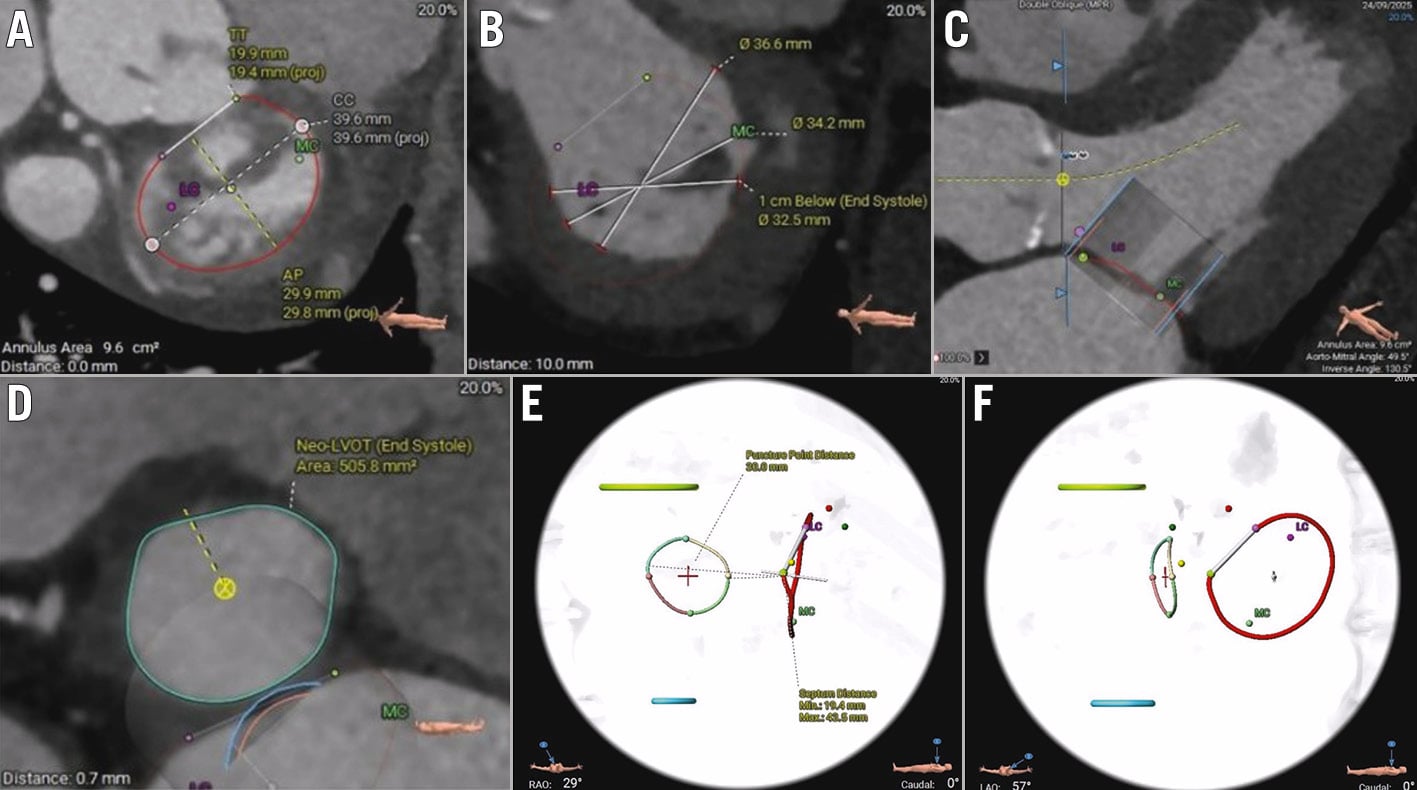
The study found that the use of an extended-length sheath during transfemoral transcatheter aortic valve implantation (TF-TAVI) in patients with a hostile aortic anatomy is feasible and may enhance procedural safety by potentially avoiding vascular and/or calcific/thromboembolic complications.

Editorial

Mar 25
An aortic valve FFR?
Morton J. Kern, Derek Antoku

The editorial discusses the potential use of transvalvular hemodynamics, such as the stress aortic valve index (SAVI), to help guide decision-making around the need for aortic valve replacement in patients with moderate or mild aortic stenosis.

free

Original Research

Mar 23
The SAVI-AoS trial
Rob Eerdekens, Pim A.L. Tonino, et al.
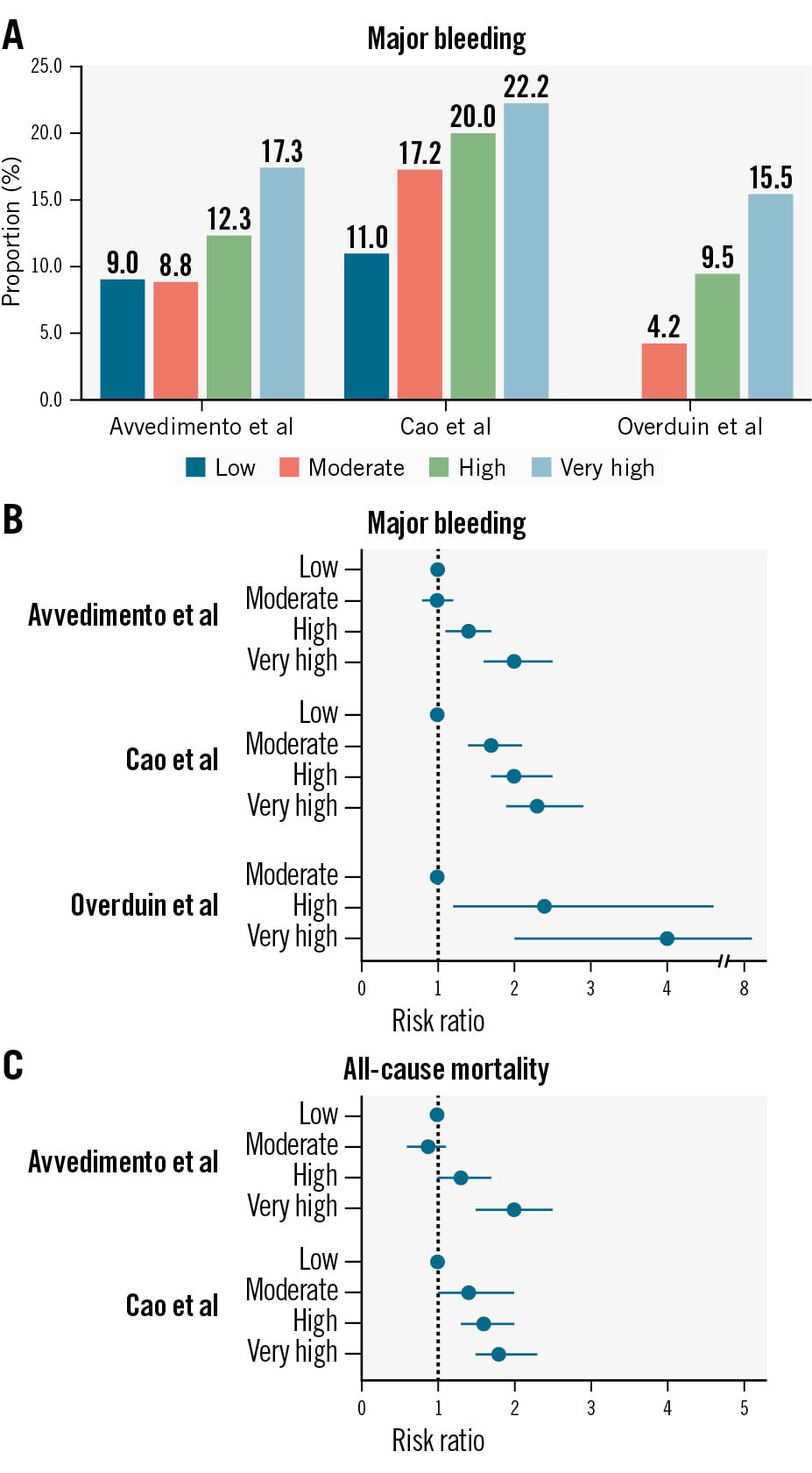
This study evaluated symptomatic patients with moderate aortic stenosis and preserved ejection fraction using invasive and non-invasive assessments at rest and during stress. The stress aortic valve index strongly predicted the need for aortic valve intervention.
The SAVI-AoS trial

State-of-the-Art

Mar 18
TAVI thrombosis
Mia Ravn Jacobsen, Tobias Geisler, et al.
This review examines the prevalence, mechanisms, and management of leaflet thrombosis after transcatheter aortic valve implantation (TAVI), a minimally invasive procedure for severe aortic stenosis.
TAVI thrombosis
free

new issue

Mar 16
A new issue of EuroIntervention

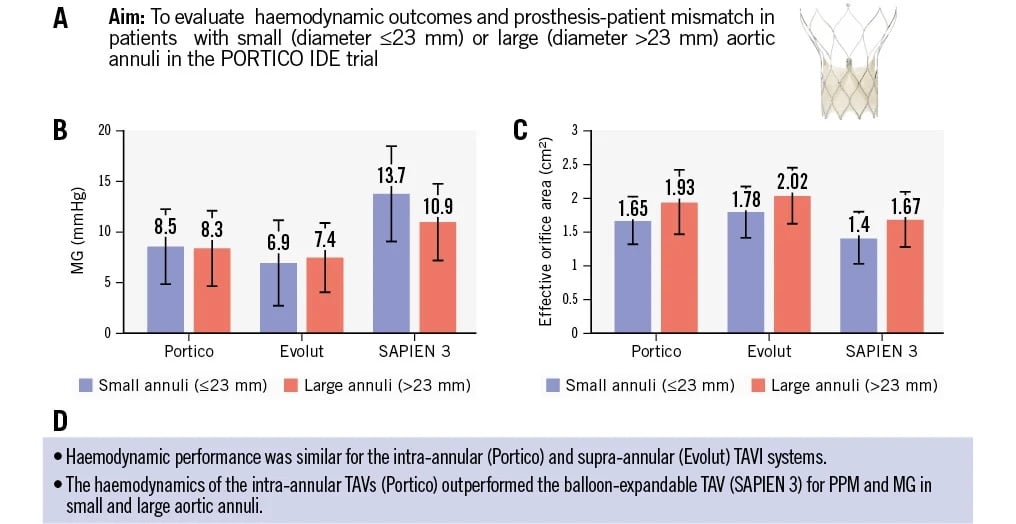
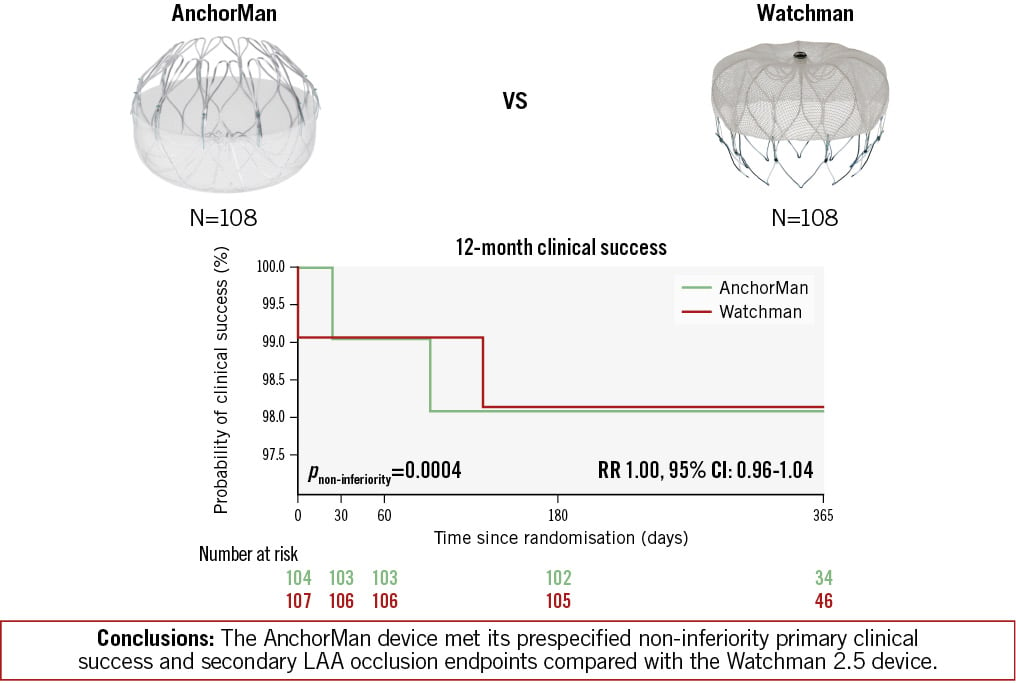
A State-of-the-Art on TAVI thrombosis; a novel stress aortic valve index; design and rationale of the SURVIV trial; extended-length introducer sheaths for TAVI; leaflet avulsion after UNICORN leaflet modification; 3D intracardiac echo-guided transcatheter tricuspid valve replacement; and more

A new issue of EuroIntervention

Original Research

Mar 13
CLTI outcomes with drug-coated devices
Maxime Dubosq-Lebaz, Eric A. Secemsky, et al.
In a national cohort of Medicare beneficiaries with chronic limb-threatening ischemia, drug-coated devices were associated with reduced amputation, mortality, and reintervention compared to uncoated devices, without increased costs.
CLTI outcomes with drug-coated devices
free

Editorial

Mar 13
Drug-coated devices in CLTI revascularisation
Piotr Musiałek, Antonio Micari
A registry study comparing endovascular treatment options for peripheral artery disease in the femoropopliteal segment found a statistically significant benefit of drug-coated/drug-eluting devices in reducing major amputation/death and major adverse limb events.
free
Turning Point Podcast Listen now


Leaflet avulsion after UNICORN

Flashlight

Mar 20
Leaflet avulsion after UNICORN
Arif A. Khokhar, Ole De Backer, et al.
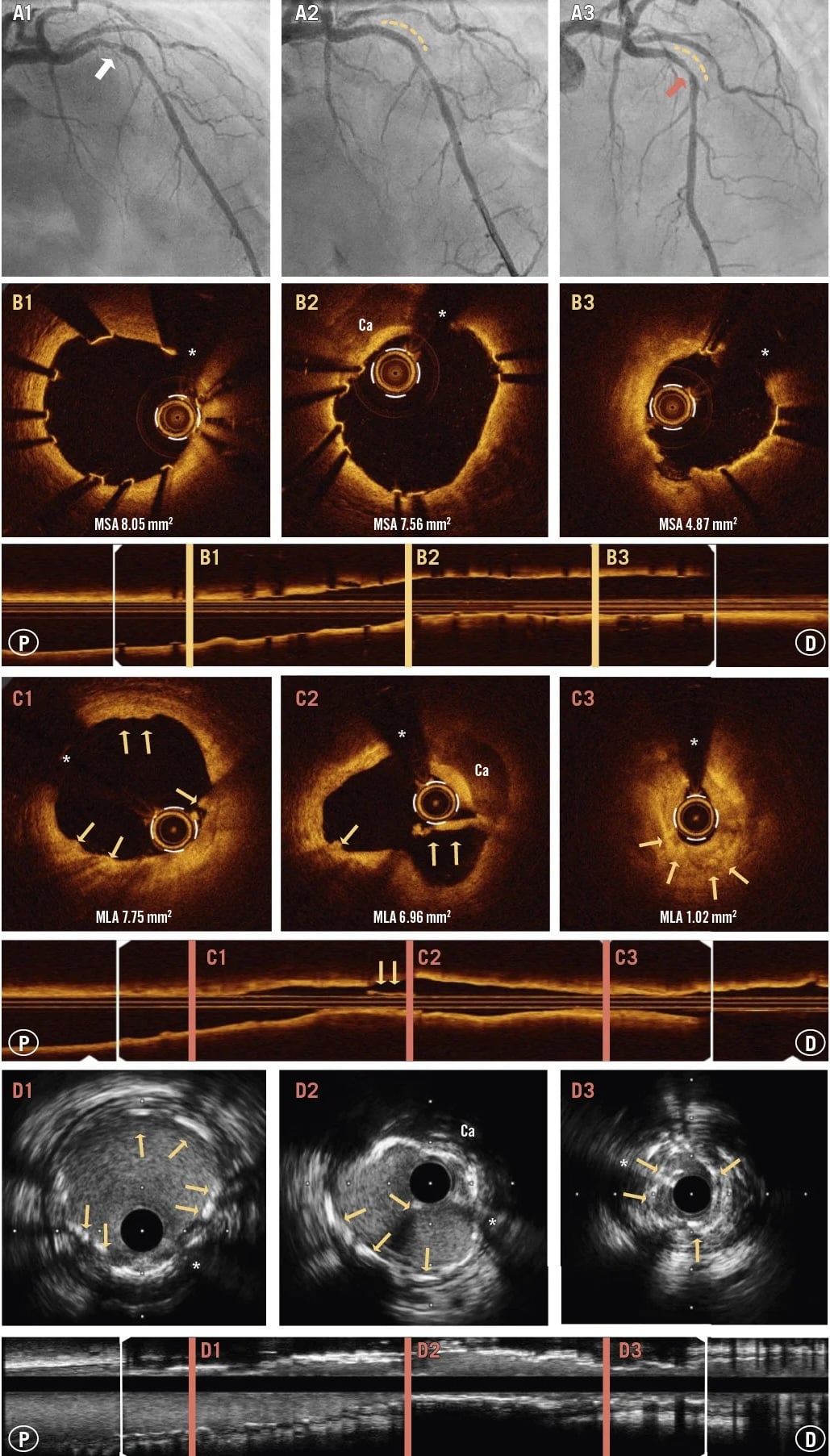
The content discusses the UNICORN technique for reducing the risk of coronary obstruction during redo-TAVI, highlighting the need for caution due to the unpredictable nature of complete leaflet avulsion and the potential benefits of orthotopic coronary wiring and stenting.

Receive our newsletter
Subscribe banner

Editorial

Mar 12
Validating experimental evidence through practice
Javier Escaned, Guus de Waard
The study examined the relationship between coronary flow, stenosis severity, and microvascular resistance, confirming previous experimental observations and providing insights based on in-vivo measurements in a large patient cohort.
Validating experimental evidence through practice
free

Original Research

Mar 11
Absolute coronary flow after PCI
Federico Marin, Giovanni Luigi De Maria, et al.
This study found that percutaneous coronary intervention (PCI) significantly reduces epicardial resistance, leading to a pronounced increase in hyperaemic flow, which can be predicted by fractional flow reserve (FFR). Resting flow remained unchanged due to compensatory increases in microvascular resistance.
Absolute coronary flow after PCI

Simultaneous Publication CRT 2026

Mar 10
Clinical Benefit of RDN through 3 Years
David E Kandzari, Felix Mahfoud, et al.

In this pooled analysis of patients undergoing radiofrequency renal denervation, there were significant blood pressure changes after 36 months, with few adverse events, supporting long-term safety and efficacy in patients with uncontrolled hypertension.

Clinical Benefit of RDN through 3 Years
open access

Expert Review

Mar 9
Non-invasive diagnosis of coronary dysfunction
Isa Bijloo, Yolande Appelman, et al.
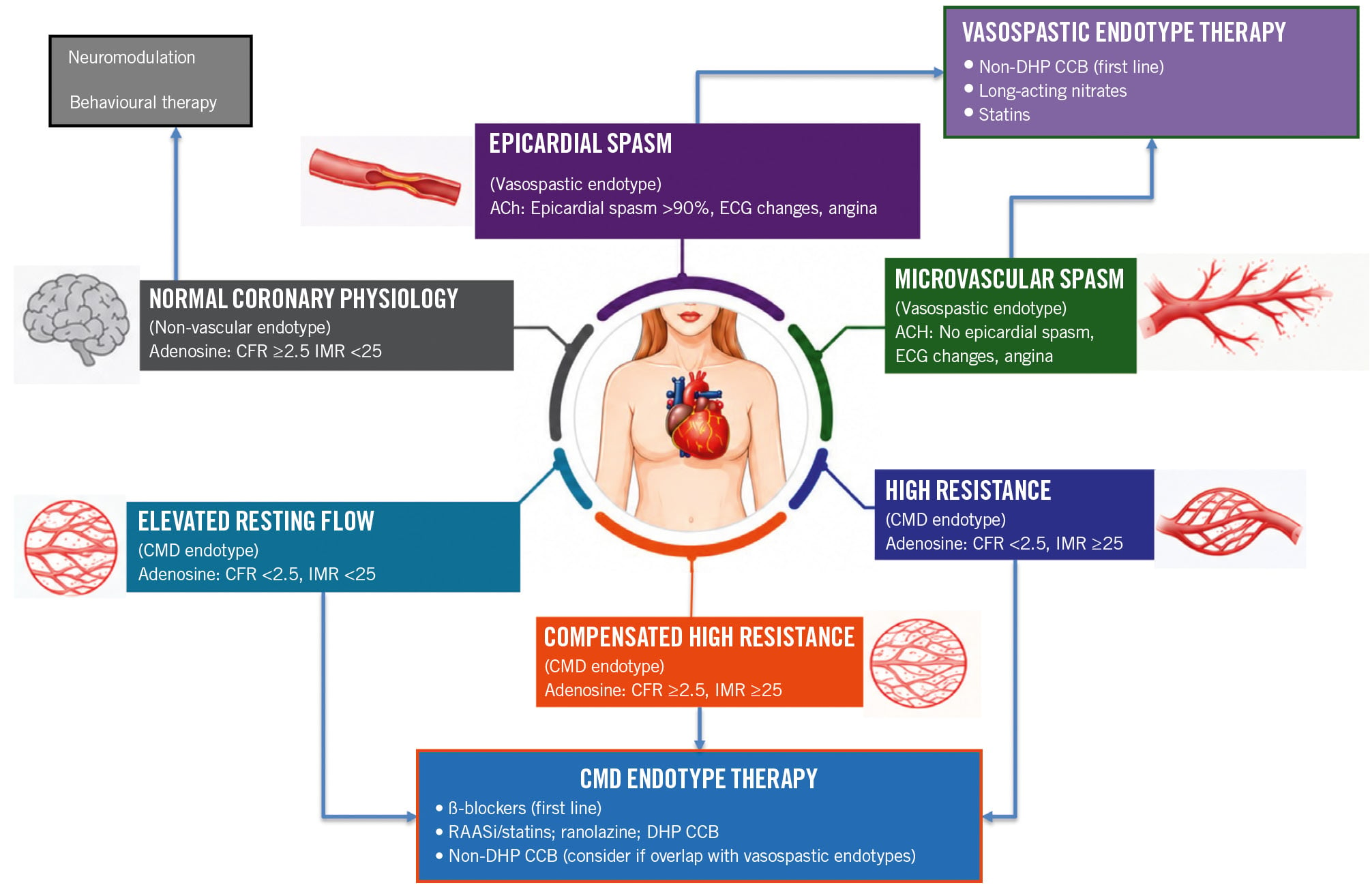
This review examines the diagnostic modalities for coronary dysfunction in patients with angina and non-obstructive coronary artery disease, finding that only coronary flow reserve can be reliably measured non-invasively, while invasive coronary function testing remains the gold standard.
Non-invasive diagnosis of coronary dysfunction
free

Viewpoint

Mar 6
Revisiting the “5Ss” rule of ELCA PCI
Alfonso Jurado-Román, Mattia Basile
This article describes the use of excimer laser coronary atherectomy (ELCA) to modify atherosclerotic plaques, highlighting the evolution from infrared to excimer laser technology and the importance of procedural experience and tailored strategies.
Revisiting the “5Ss” rule of ELCA PCI
free

Editorial

Mar 5
Optimising ACS treatment using IVI
Gary S. Mintz, Carlos Collet
The study evaluated the association between intravascular imaging-guided percutaneous coronary intervention and outcomes in patients with acute coronary syndrome in Japan.
free

PCR
Impact factor: 9.5
2024 Journal Citation Reports®
Science Edition (Clarivate Analytics, 2025)
Online ISSN 1969-6213 - Print ISSN 1774-024X
© 2005-2026 Europa Group - All rights reserved