RADIANCE-HTN TRIO analysis on antihypertensive drugs

Research Correspondence

Dec 19
RADIANCE-HTN TRIO analysis on antihypertensive drugs
Victor J.M. Zeijen, Joost Daemen, et al.
Endovascular ultrasound renal denervation (uRDN) significantly reduced daytime ambulatory systolic blood pressure by 5.9 mmHg compared to sham at 2 months in patients with resistant hypertension, with the effect maintained after adjusting for changes in antihypertensive medications.
open access

Research Correspondence

Dec 18
CMD endotypes using invasive exercise testing
Ghilas Rahoual, Michel Zeitouni, etc.
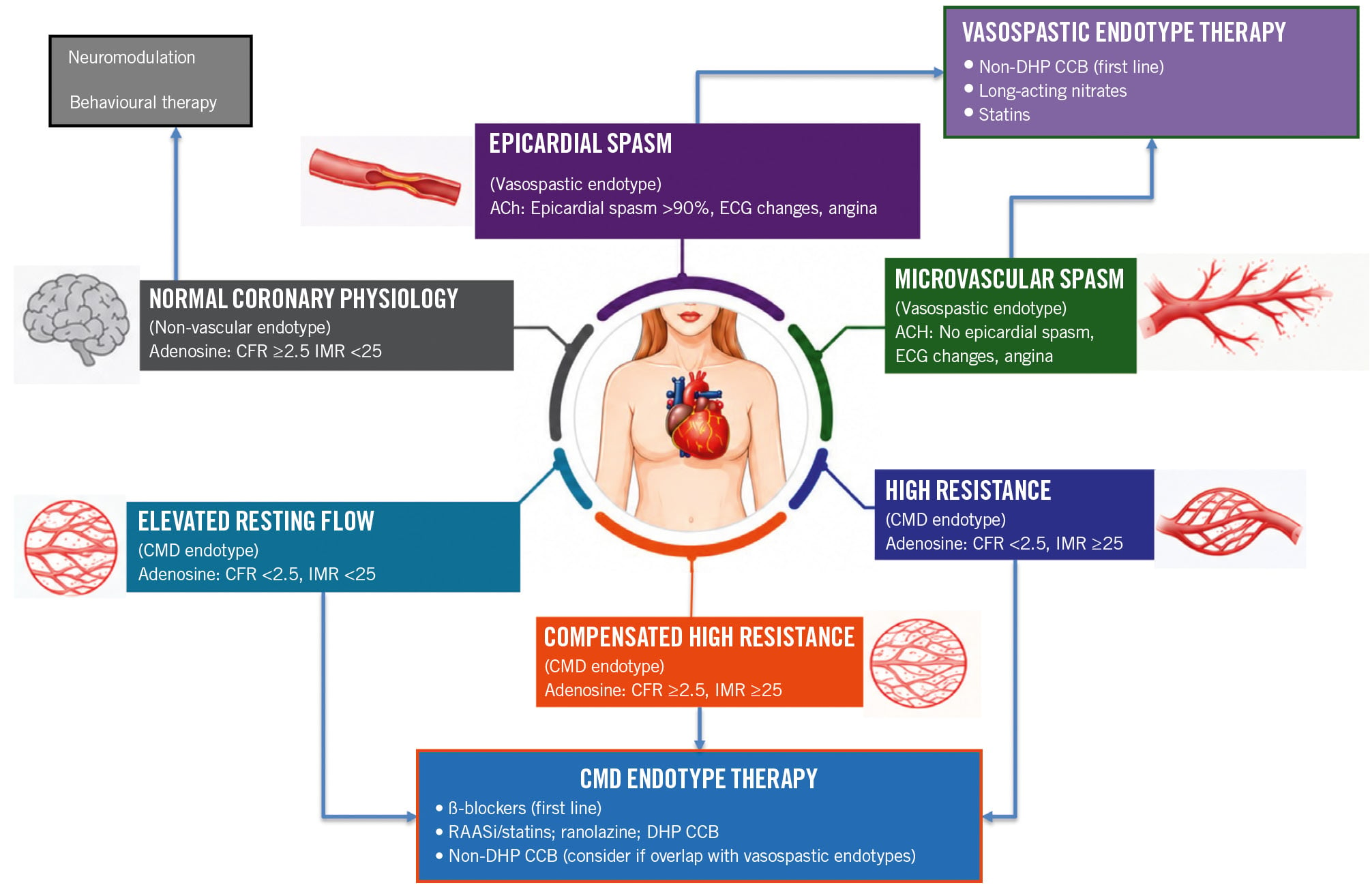
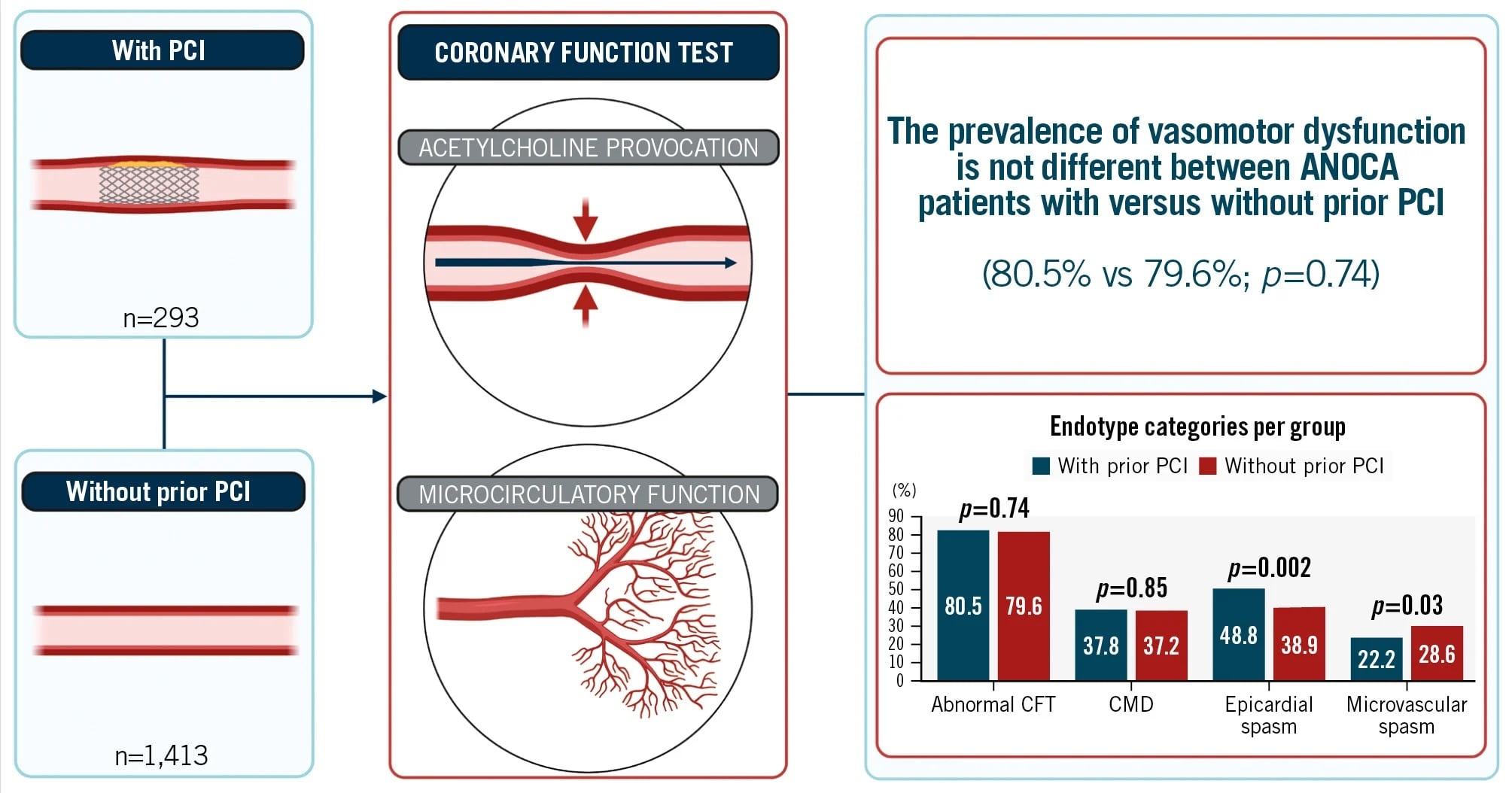
This study used a standardized approach combining hyperaemic absolute microvascular resistance and microvascular resistance reserve to differentiate four distinct phenotypes of coronary microvascular dysfunction.
CMD endotypes using invasive exercise testing

Original Research

Dec 17
The WATCH-MATCH analysis
Roberto Galea, Lorenz Räber, et al.
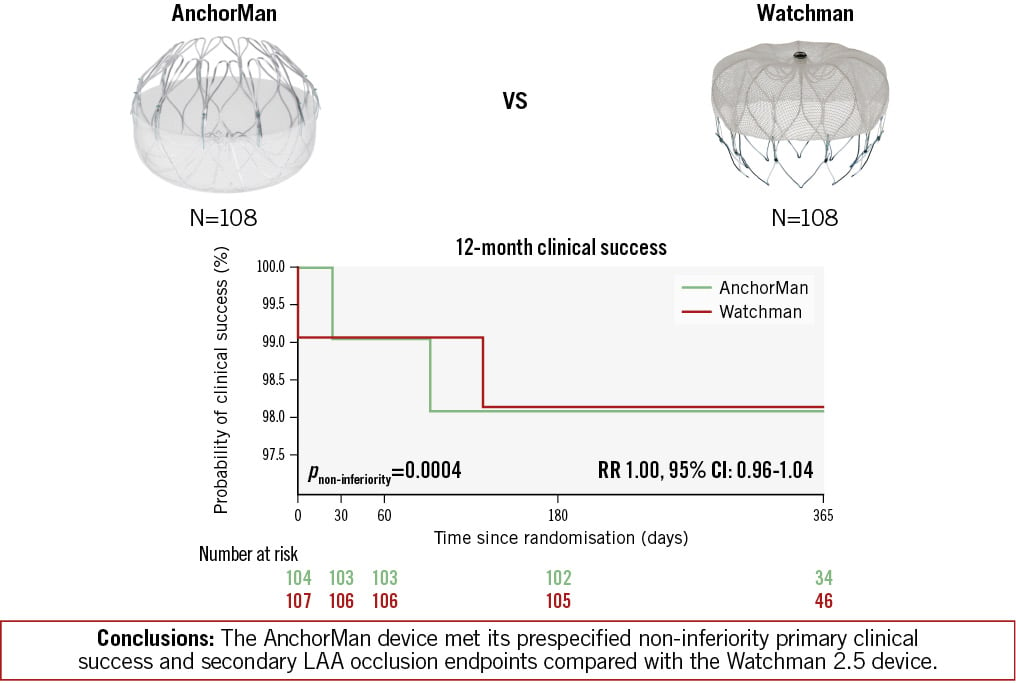
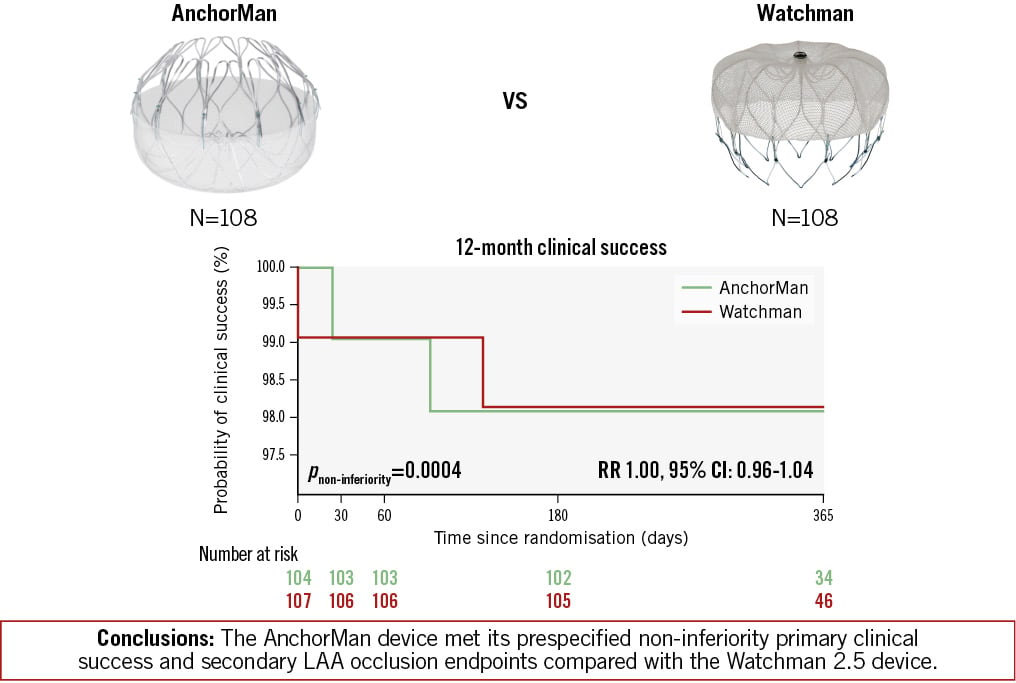
This study compared the Watchman FLX and Watchman 2.5 left atrial appendage closure devices, finding significantly lower rates of device-related thrombus and peridevice leak with the Watchman FLX.
The WATCH-MATCH analysis

State-of-the-Art

Dec 16
TEER in MR
Josep Rodés-Cabau, William T. Abraham, et al.
This content covers a range of cardiology interventions, including coronary, valvular, heart failure, peripheral, hypertension, and stroke treatments, as well as the use of advanced technologies like bioresorbable scaffolds and TAVI.
TEER in MR
free

new issue

Dec 15
A new issue of EuroIntervention

State-of-the-Art on TEER in MR; Watchman FLX vs 2.5; predictors of underexpansion with ACURATE neo; valve-in-root TAVI; CMD endotypes using invasive exercise testing; SORT OUT X: 5-year results; antihypertensive drugs in RADIANCE-HTN TRIO

A new issue of EuroIntervention

Original Research

Dec 10
Abbreviated antiplatelet therapy in HBR patients with CKD
Antonio Landi, Marco Valgimigli, et al.
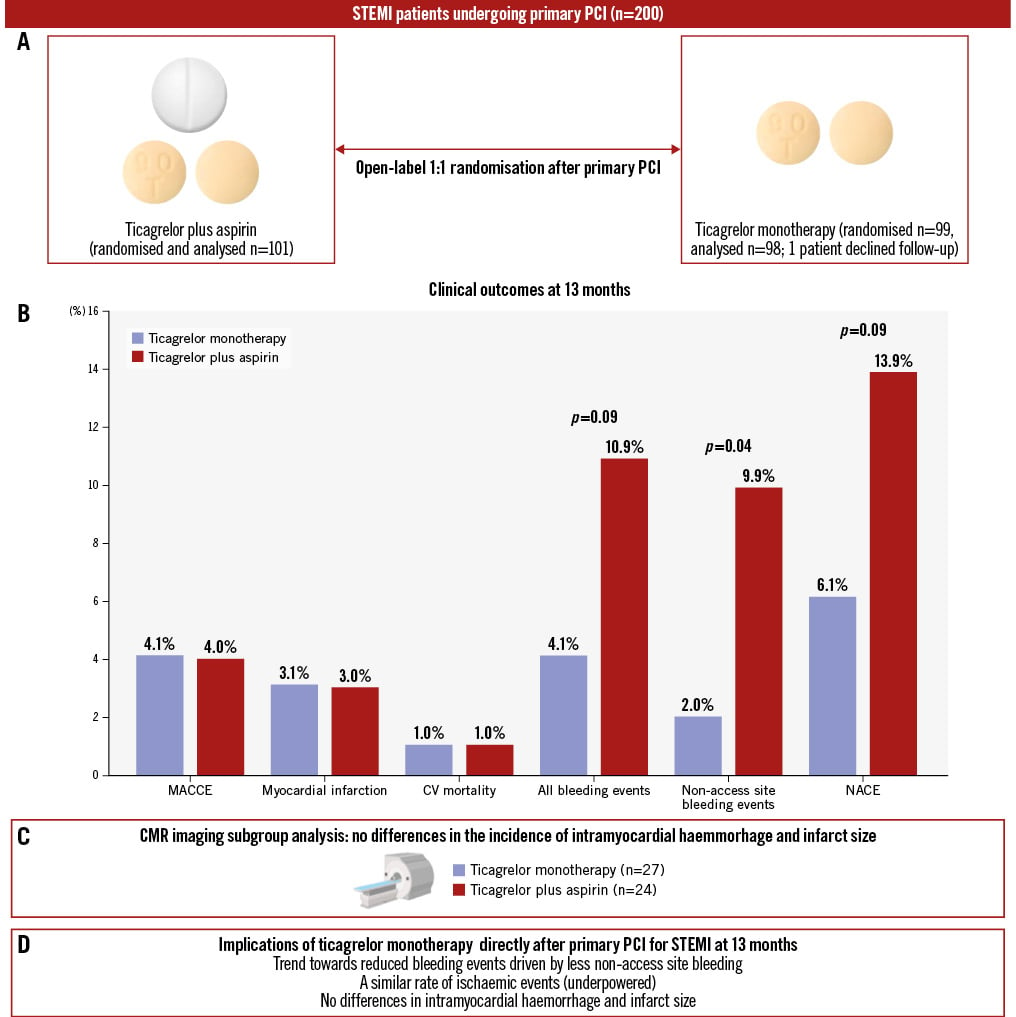
In high bleeding risk patients undergoing PCI, abbreviated antiplatelet therapy was associated with similar ischemic outcomes and reduced bleeding compared to standard therapy, regardless of chronic kidney disease status.
Abbreviated antiplatelet therapy in HBR patients with CKD

Editorial

Dec 12
Short DAPT after PCI in HBR
Guillaume Marquis-Gravel, Renato D. Lopes
The content discusses the potential benefits of a shorter duration (1-3 months) of dual antiplatelet therapy (DAPT) after percutaneous coronary intervention (PCI).
free

State-of-the-Art

Dec 8
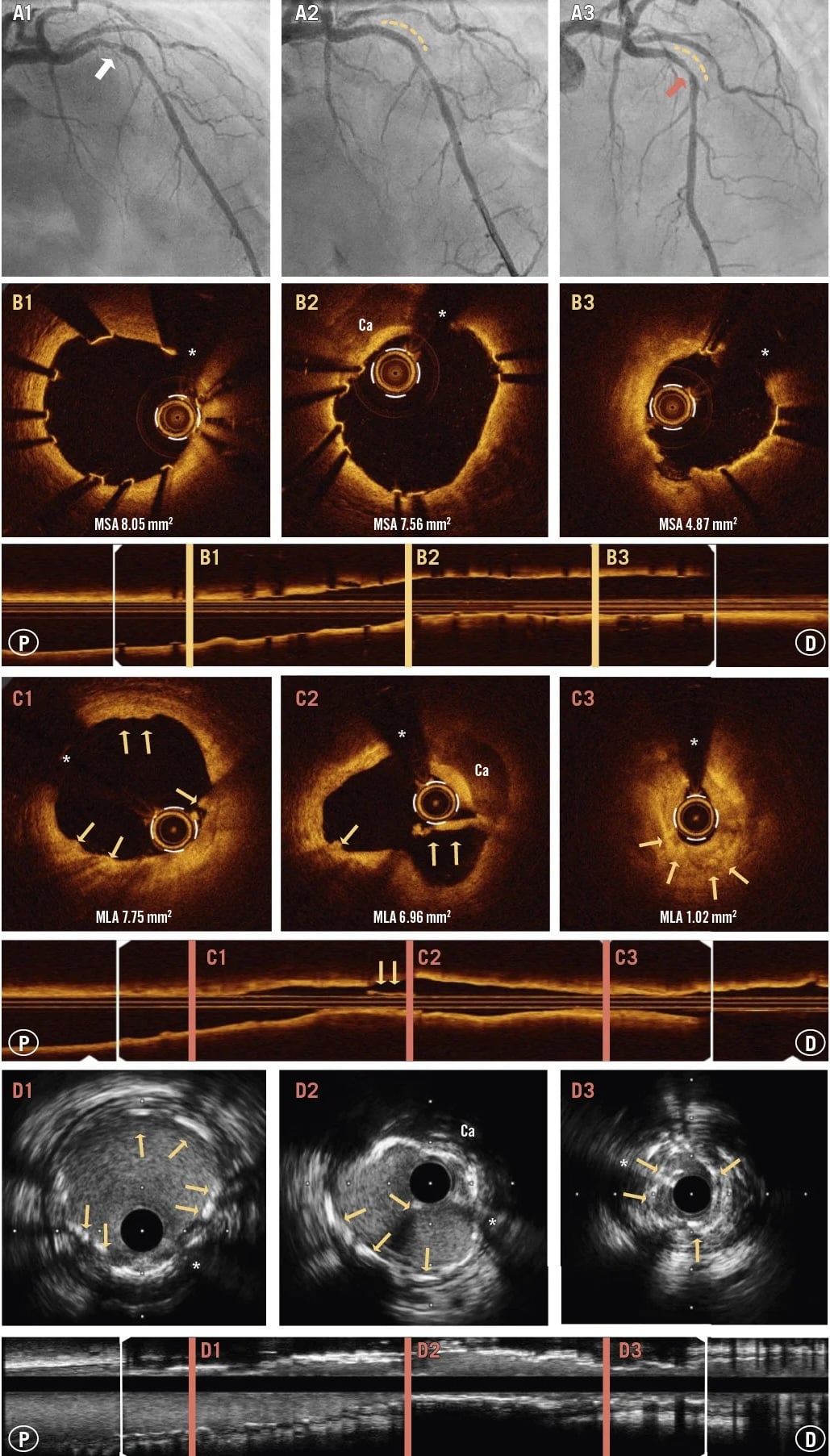
Calcified nodules and PCI
Ziad A. Ali, Doosup Shin, et al.
Calcified nodules (CNs) pose challenges in percutaneous coronary intervention (PCI) due to their complex morphology and variable treatment responses. CNs are classified into eruptive and non-eruptive subtypes, with distinct features and prognostic implications.
Calcified nodules and PCI
free
Turning Point Podcast Listen now


Thrombosis after Reducer migration

Flashlight

Dec 1
Thrombosis after Reducer migration
Leonardo Portolan, Giovanni Luigi De Maria, et al.
This case report describes the successful implantation of a double coronary sinus Reducer device in a patient with refractory angina, complicated by proximal migration of the initial Reducer and subsequent coronary sinus thrombosis detected by cardiac CT.

Subscribe banner

Editorial

Dec 5
Beta blockers after MI still relevant for many
Johanne Silvain, Niki Procopi
A meta-analysis of 23,531 post-MI patients found that beta blocker use may only provide a modest morbidity reduction, and withdrawal may be safe for some, but continuation remains relevant for most post-MI patients.
Beta blockers after MI still relevant for many
free

Original Research

Dec 3
Beta blocker withholding/withdrawal after MI
Xavier Rossello, Borja Ibanez, et al.
In patients with myocardial infarction and LVEF >40%, beta blocker withholding or withdrawal at discharge was not associated with increased short-term or recurrent ischaemic events.
Beta blocker withholding/withdrawal after MI
open access

State-of-the-Art

Dec 2
Management of NSTE-ACS
Mila Kovacevic, Vijay Kunadian, et al.
This review provides a comprehensive overview of current evidence-based approaches to the management of non-ST-segment elevation acute coronary syndrome, focusing on diagnosis, risk stratification, and treatment strategies.
Management of NSTE-ACS
free

new issue

Dec 1
A new issue of EuroIntervention

State-of-the-Art on the management of NSTE-ACS; State-of-the-Art on calcified nodules and PCI; beta blockers after MI; abbreviated antiplatelet therapy in HBR patients with CKD; thrombosis after Reducer migration

A new issue of EuroIntervention

letter to the editor

Nov 27
Letter: TAVI and covert brain injury
Nikolaos Pyrpyris, Konstantinos Tsioufis, et al.

This letter discusses the need to evaluate the addition of novel pharmacotherapy to current regimens in order to improve outcomes related to leaflet thrombosis and cerebral injury after TAVI procedures.

free

letter to the editor

Nov 27
Reply: TAVI and covert brain injury
Victor Alfonso Jimenez Diaz, Paula Bellas Lamas, et al.

The reply adresses the need for further research on optimal post-TAVI regimens to balance ischaemic, embolic, bleeding, and cognitive risks, and the prevention of covert brain injury in the TAVI population.

free

Receive our newsletter

PCR
Impact factor: 9.5
2024 Journal Citation Reports®
Science Edition (Clarivate Analytics, 2025)
Online ISSN 1969-6213 - Print ISSN 1774-024X
© 2005-2025 Europa Group - All rights reserved